

Positive Discipline That Actually Works
Setting boundaries without shame or anger — discipline techniques that teach kids rather than just punish them.

The Problem With Traditional Punishment
Here's what happens when you rely on punishment alone: your kid stops because they're scared, not because they understand why the behavior was wrong. They learn to hide things better. They get angry. You both end up frustrated.
Positive discipline is different. It's not about being permissive or soft. It's actually harder than yelling — it takes patience, consistency, and real planning. But it works. Kids learn the connection between their choices and consequences. They develop actual problem-solving skills. And you don't spend your evenings feeling guilty about how you handled things.
What You'll Learn
- The four core principles of positive discipline
- How to set boundaries that actually stick
- What to say when emotions are running high
- Real techniques for 3-4 different age groups
- How to stay consistent without losing your mind
The Four Core Principles
Positive discipline isn't one thing — it's built on a foundation of four interconnected ideas that actually work together.
1. Connection First
Kids respond better when they feel connected to you. That doesn't mean being their friend. It means they know you're on their side, even when you're upset with their behavior. A five-year-old who feels safe will listen. One who feels attacked will shut down.
2. Natural Consequences
Whenever possible, let the consequence be the teacher. Forgot your lunch? You're hungry. Didn't study? You're disappointed with your grade. Spilled juice on the carpet? Now you're cleaning it. This isn't punishment — it's reality.
3. Clear Expectations
Kids can't follow rules they don't understand. Be specific. "Be respectful" is vague. "When I'm talking, you look at me and don't interrupt" is crystal clear. Most behavior problems disappear when expectations are actually stated.
4. Problem-Solving Together
Instead of deciding the consequence, ask your kid what they think should happen. This takes longer. It's worth it. They own the solution. They learn to think through problems. And honestly, kids often come up with consequences that are stricter than what you'd have chosen.

Five Techniques That Work in Real Life
These aren't theoretical. Parents are using these right now with kids who refuse to listen, throw fits, and push every boundary.
The Pause Technique
When things are escalating, you don't have to respond immediately. Say: "I'm too upset to talk about this fairly right now. We'll discuss it in 30 minutes." Then actually do it. This prevents you from saying things you regret. It also shows kids that taking a break when you're angry is smart, not weak.
Use this with kids 8+. Younger kids need to process immediately, so try it differently: take the break yourself, then come back and handle it calmly.


The Validation Redirect
Kids lose it over small things because the small thing represents something bigger. Your child screams about not being allowed to wear shorts in winter. The real issue? They want control. Don't argue about the shorts. Validate the feeling: "I get it, you want to choose what you wear. In winter, we wear pants because it's cold. But you can pick which winter pants."
This works for ages 3-16. You're not giving in. You're acknowledging what they actually care about, then setting the boundary. Usually they calm down immediately.
Natural Consequences With a Safety Net
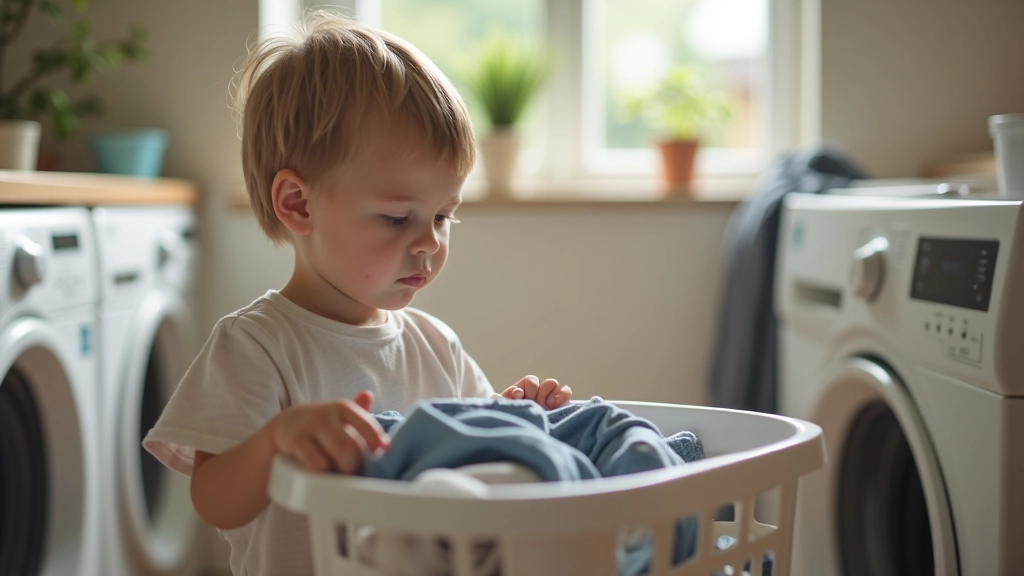
Let natural consequences happen, but with guardrails. Your 10-year-old won't do laundry? Fine. After three days they run out of clean clothes. They can either wash clothes or wear the same dirty shirt. That's the consequence. But you're not letting them go to school filthy — that crosses into health/safety.
The trick is knowing where your actual boundaries are. Hungry because they refused dinner? That's okay. Going hungry all week? That's your job to prevent. Most consequences have natural limits that kick in before real harm happens.
The Problem-Solving Conversation
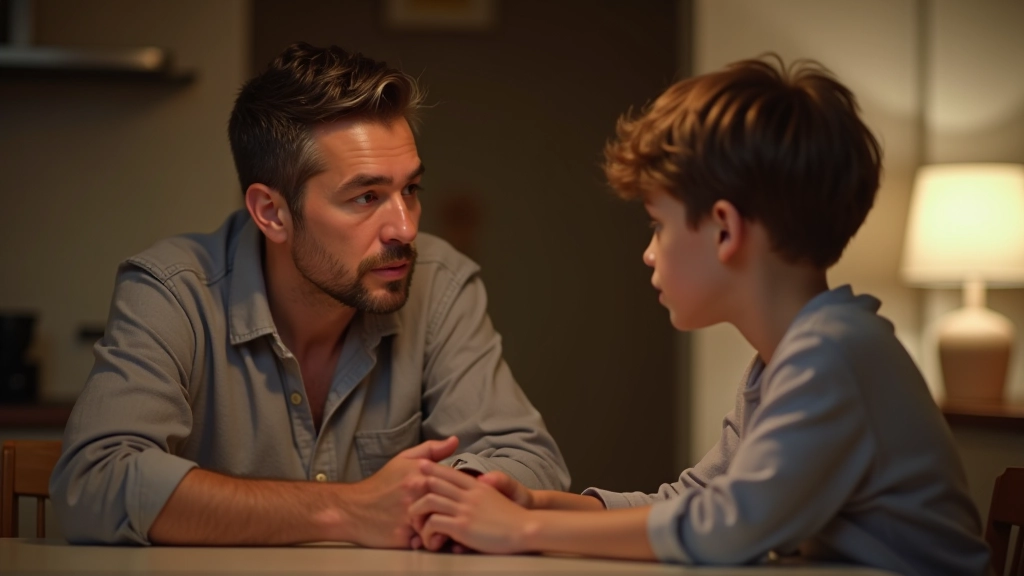
After things calm down, have a real conversation. Don't lecture. Ask questions. "What happened?" "What were you trying to accomplish?" "What do you think would help next time?" Then actually listen. Your 13-year-old didn't finish homework because they don't understand the material, not because they're lazy. Now you know what to fix.
This takes 10-15 minutes. It's slower than punishment. It's also why the same problem doesn't keep happening.
The Logical Consequence
When natural consequences won't work, create one that's directly related to the behavior. Threw a toy at their sibling? No toys for the rest of the day. Wouldn't get off the phone for dinner? Phone stays in your room during family meals for one week. The consequence teaches the lesson — it's not about punishment.
The difference between this and punishment? You explain the connection calmly. "You threw the toy, which could hurt someone. You lose toys for today so you can practice gentleness." They might not like it, but they understand it.

Making It Actually Stick
The hardest part isn't understanding these techniques. It's staying consistent when you're tired, frustrated, and your kid is testing every boundary. Here's what actually helps:
Start With One Thing
Don't overhaul everything at once. Pick one behavior that's driving you crazy. Use one technique consistently for two weeks. Then add another. It takes about three weeks for a new approach to feel natural.
Be Consistent Even When It's Hard
If you set a boundary, enforce it. Every time. Your kid will test it harder before they accept it — this is normal. That's actually the signal that the boundary is working. Don't cave at that moment or you teach them to push harder next time.
Expect It to Feel Slower
Yelling works fast. Your kid stops immediately because they're startled or scared. Positive discipline takes longer because you're teaching, not controlling. After about six weeks you'll notice problems don't repeat. After three months you'll realize you're not even thinking about discipline much anymore.
Track What Actually Works
Write down which techniques work with which kid for which behaviors. Your seven-year-old responds to natural consequences. Your teenager needs the problem-solving conversation. Your five-year-old just needs connection and clear expectations. Different kids need different approaches.

Questions Parents Actually Ask
What if positive discipline just makes them think there are no consequences?
There are consequences — they're just connected to the behavior. The difference is you're not punishing out of anger. You're teaching. Your kid will test boundaries harder at first because they're used to fear-based compliance. That testing phase is actually a good sign. It means they're starting to think instead of just react.
How do I handle it when I've already yelled?
Apologize. Seriously. "I yelled at you and that wasn't okay. I was frustrated, but that doesn't mean I get to talk to you that way. I'm sorry." This teaches more than any perfect response ever could. It shows kids that mistakes happen, you fix them, and you don't have to be perfect to be a good parent.
Does this work with teenagers who seem beyond reach?
Yes, but differently. Teenagers respond less to consequences and more to respect and autonomy. They want to be treated like emerging adults. The problem-solving conversation becomes even more important. You're less "I've decided your consequence" and more "Let's figure this out together." They'll push back less if they feel you're actually listening to their perspective.
What if my partner doesn't believe in this approach?
You don't both have to be perfect. Start by being consistent yourself. When your partner sees that you're calmer, your kid listens better, and the same issues stop repeating, they usually become curious. Then share specific examples. "Remember when he refused bedtime? I used validation and it worked in 10 minutes." Real results are more convincing than philosophy.
The Long View
Positive discipline isn't about being the "nice parent." It's actually harder than yelling because it requires you to stay calm, think clearly, and follow through consistently. But here's what changes: your kid learns to solve problems. They understand that choices have consequences. They don't hide things because they're not scared of you.
In five years, you won't be managing behavior — you'll be coaching someone who's learned to manage themselves. That's the whole point. You're not raising kids who obey you. You're raising humans who understand how the world works and make good choices because they understand why, not because they're afraid.
Start with one technique this week. Be patient with yourself. It gets easier.
About This Article
This article provides educational information about positive discipline techniques and parenting approaches. It's not a substitute for professional advice. Every family is different, and what works for one child may need adjustment for another. If you're struggling with significant behavioral concerns or family dynamics, speaking with a family counselor or child psychologist can provide personalized guidance tailored to your situation. These techniques are most effective when adapted to your family's unique circumstances and values.
Related Resources